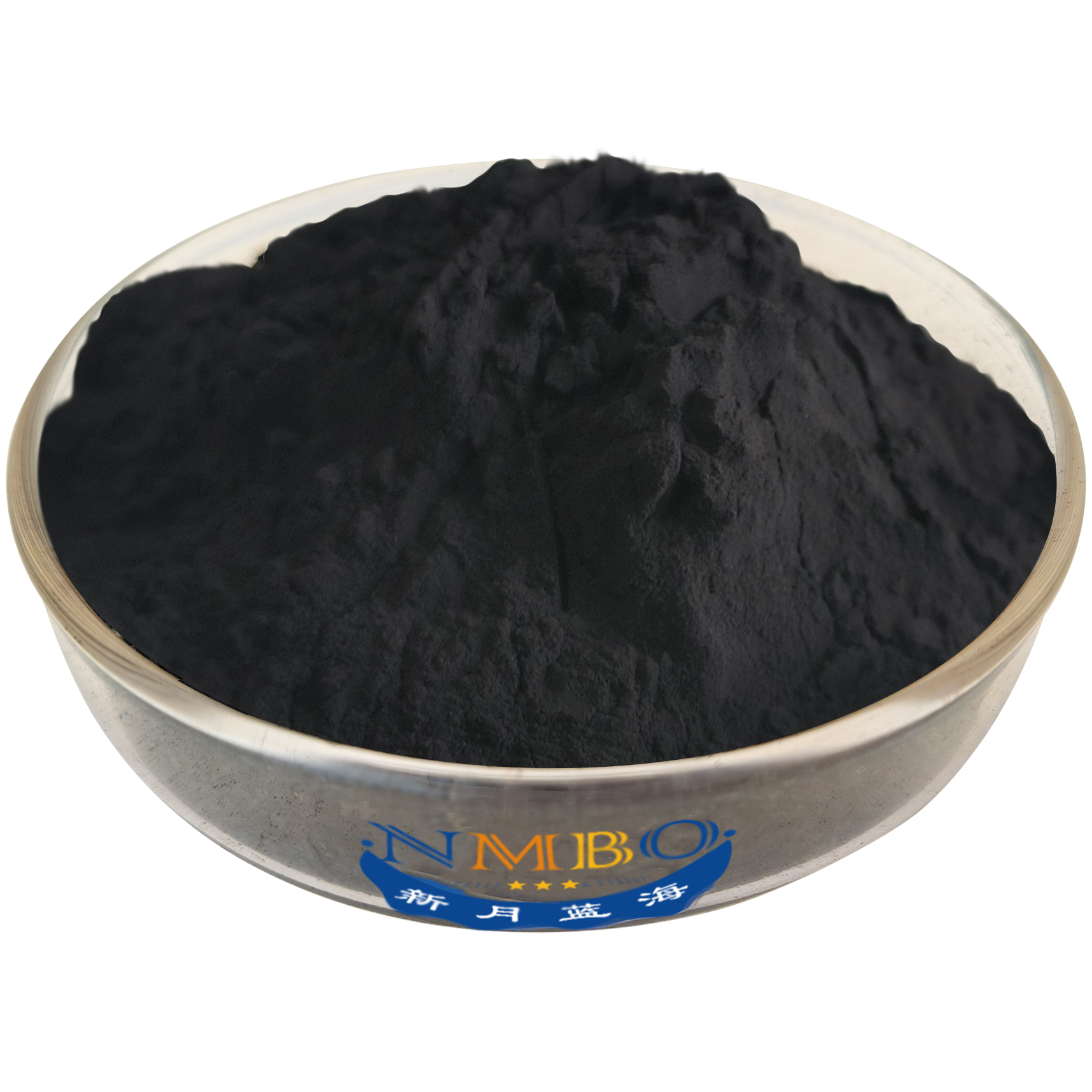
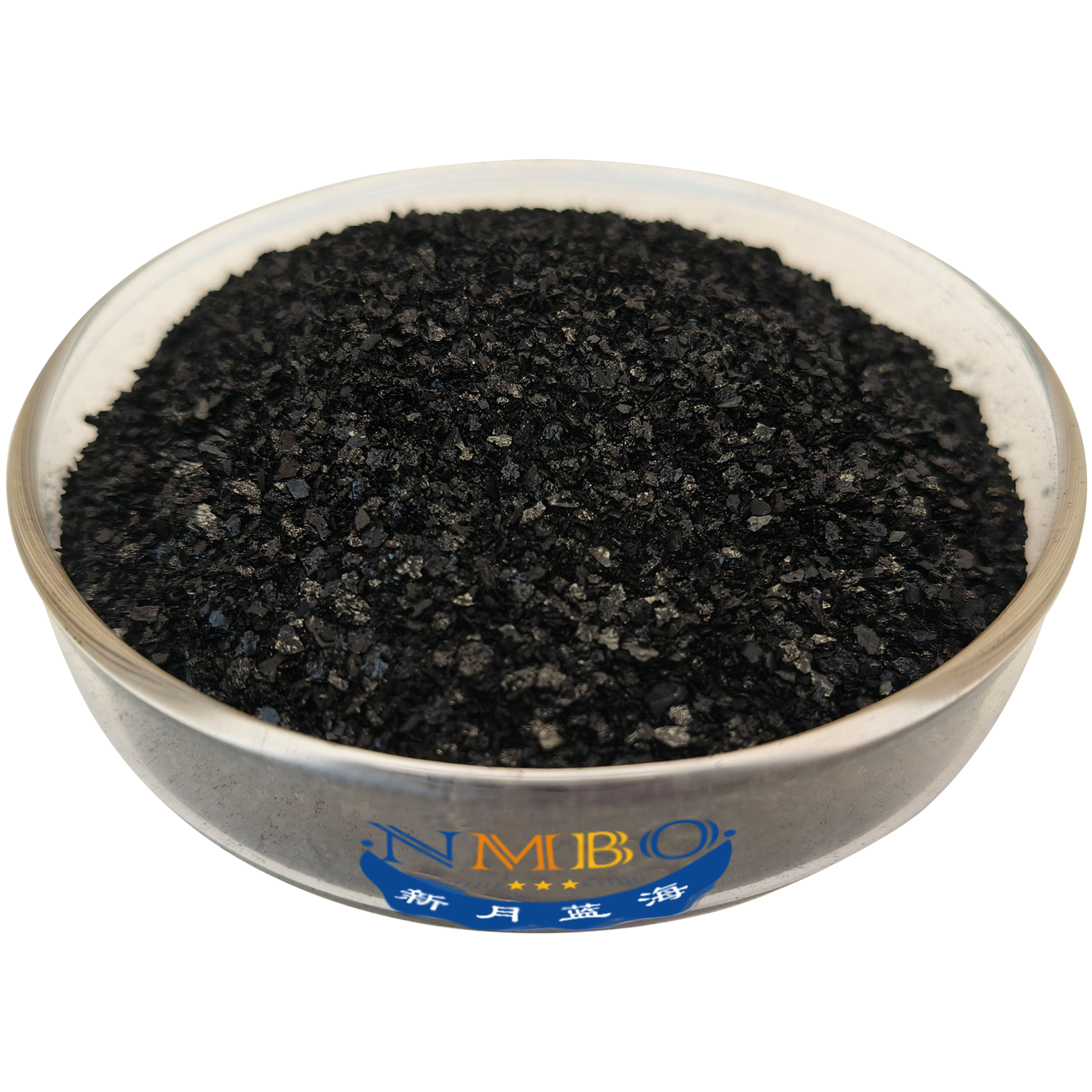
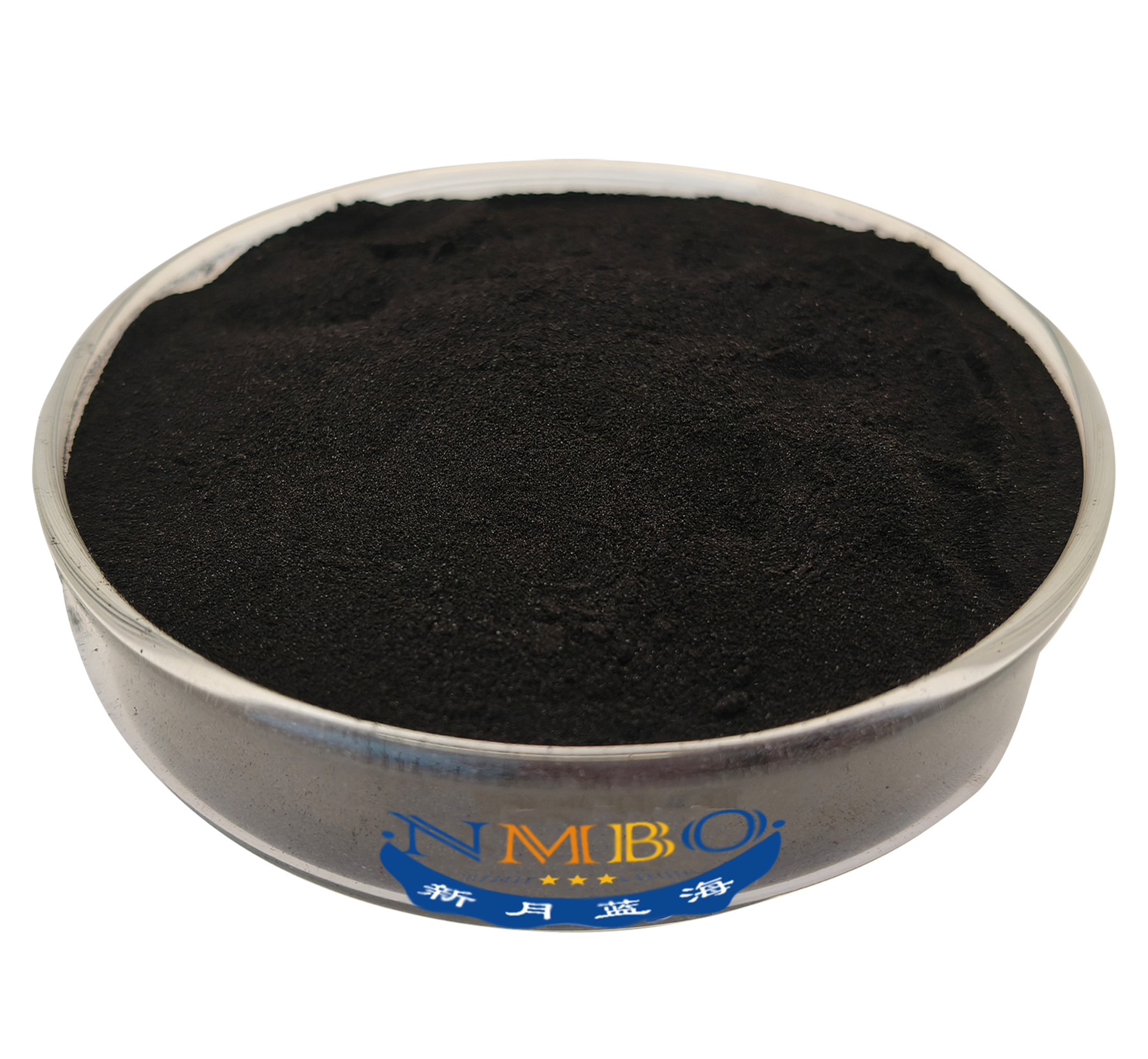
Why Ascophyllum nodosum bioactives matter to crop?
Modern meta-analysis across field trials shows seaweed extract fertilizers can lift average crop yield by 15.2%, while improving quality markers like sugar–acid ratio and vitamin C.
Why Ascophyllum nodosum bioactives matter to crop?
Modern meta-analysis across field trials shows seaweed extract fertilizers can lift average crop yield by 15.2%, while improving quality markers like sugar–acid ratio and vitamin C.
Why Ascophyllum nodosum bioactives matter to crop?
Modern meta-analysis across field trials shows seaweed extract fertilizers can lift average crop yield by 15.2%, while improving quality markers like sugar–acid ratio and vitamin C.
1. Alginate: Enhancing Soil Structure and Water Retention
Alginate is one of the most abundant polysaccharides in Ascophyllum nodosum that enhances soil structure and water retention, improving plant root environments. In foliar products, alginate lowers spray surface tension and helps create thin films that keep nutrients on the leaf for longer. Alginate can increase soil porosity by 15–20% and improve water holding capacity by 20% compared to untreated soils. This is particularly beneficial in arid and sandy regions. This translates to healthier root systems and better nutrient absorption efficiency. Seaweed extract fertilizer can help crops tolerate drought stress and maintain stable yields.
1. Alginate: Enhancing Soil Structure and Water Retention
Alginate is one of the most abundant polysaccharides in Ascophyllum nodosum that enhances soil structure and water retention, improving plant root environments. In foliar products, alginate lowers spray surface tension and helps create thin films that keep nutrients on the leaf for longer. Alginate can increase soil porosity by 15–20% and improve water holding capacity by 20% compared to untreated soils. This is particularly beneficial in arid and sandy regions. This translates to healthier root systems and better nutrient absorption efficiency. Seaweed extract fertilizer can help crops tolerate drought stress and maintain stable yields.
1. Alginate: Enhancing Soil Structure and Water Retention
Alginate is one of the most abundant polysaccharides in Ascophyllum nodosum that enhances soil structure and water retention, improving plant root environments. In foliar products, alginate lowers spray surface tension and helps create thin films that keep nutrients on the leaf for longer. Alginate can increase soil porosity by 15–20% and improve water holding capacity by 20% compared to untreated soils. This is particularly beneficial in arid and sandy regions. This translates to healthier root systems and better nutrient absorption efficiency. Seaweed extract fertilizer can help crops tolerate drought stress and maintain stable yields.
2. Phlorotannins: Natural Antioxidants and Plant Protectors
Phlorotannins are polyphenols unique to brown seaweeds such as Ascophyllum nodosum. They function as powerful natural antioxidants, scavenging reactive oxygen species (ROS) and chelating metals to mitigate oxidative stress caused by drought, salinity, high light intensity, UV radiation, and pathogens. Research shows that phlorotannins can reduce free radical damage in plants by up to 35%, improving photosynthetic efficiency, delaying leaf senescence, and enhancing stress tolerance. Case studies even report near-complete radical scavenging at modest concentrations, highlighting their potency. Applications in crops like lettuce demonstrate greener leaves, higher biomass, and improved yield and quality when treated with phlorotannin-rich seaweed extracts.
2. Phlorotannins: Natural Antioxidants and Plant Protectors
Phlorotannins are polyphenols unique to brown seaweeds such as Ascophyllum nodosum. They function as powerful natural antioxidants, scavenging reactive oxygen species (ROS) and chelating metals to mitigate oxidative stress caused by drought, salinity, high light intensity, UV radiation, and pathogens. Research shows that phlorotannins can reduce free radical damage in plants by up to 35%, improving photosynthetic efficiency, delaying leaf senescence, and enhancing stress tolerance. Case studies even report near-complete radical scavenging at modest concentrations, highlighting their potency. Applications in crops like lettuce demonstrate greener leaves, higher biomass, and improved yield and quality when treated with phlorotannin-rich seaweed extracts.
2. Phlorotannins: Natural Antioxidants and Plant Protectors
Phlorotannins are polyphenols unique to brown seaweeds such as Ascophyllum nodosum. They function as powerful natural antioxidants, scavenging reactive oxygen species (ROS) and chelating metals to mitigate oxidative stress caused by drought, salinity, high light intensity, UV radiation, and pathogens. Research shows that phlorotannins can reduce free radical damage in plants by up to 35%, improving photosynthetic efficiency, delaying leaf senescence, and enhancing stress tolerance. Case studies even report near-complete radical scavenging at modest concentrations, highlighting their potency. Applications in crops like lettuce demonstrate greener leaves, higher biomass, and improved yield and quality when treated with phlorotannin-rich seaweed extracts.
3. Fucoidans: Boosting Immunity and Stress Resistance
Fucoidan is a sulfated polysaccharide abundant in Ascophyllum nodosum, rich in fucose and known for its strong bioactivity. It functions as a natural plant defense elicitor and growth promoter, activating systemic acquired resistance (SAR) against fungal and bacterial pathogens while enhancing tolerance to abiotic stresses such as salinity and drought.
Fucoidan treatments can reduce fungal disease incidence, such as powdery mildew, by up to 40%, while greenhouse trials showed wheat treated with 0.2% fucoidan extract had 25% lower fungal infection rates. In tomatoes, fucoidan sprays increased chlorophyll content by 18% and improved salinity resistance.
3. Fucoidans: Boosting Immunity and Stress Resistance
Fucoidan is a sulfated polysaccharide abundant in Ascophyllum nodosum, rich in fucose and known for its strong bioactivity. It functions as a natural plant defense elicitor and growth promoter, activating systemic acquired resistance (SAR) against fungal and bacterial pathogens while enhancing tolerance to abiotic stresses such as salinity and drought.
Fucoidan treatments can reduce fungal disease incidence, such as powdery mildew, by up to 40%, while greenhouse trials showed wheat treated with 0.2% fucoidan extract had 25% lower fungal infection rates. In tomatoes, fucoidan sprays increased chlorophyll content by 18% and improved salinity resistance.
3. Fucoidans: Boosting Immunity and Stress Resistance
Fucoidan is a sulfated polysaccharide abundant in Ascophyllum nodosum, rich in fucose and known for its strong bioactivity. It functions as a natural plant defense elicitor and growth promoter, activating systemic acquired resistance (SAR) against fungal and bacterial pathogens while enhancing tolerance to abiotic stresses such as salinity and drought.
Fucoidan treatments can reduce fungal disease incidence, such as powdery mildew, by up to 40%, while greenhouse trials showed wheat treated with 0.2% fucoidan extract had 25% lower fungal infection rates. In tomatoes, fucoidan sprays increased chlorophyll content by 18% and improved salinity resistance.
4. Plant Hormones: Natural Growth Regulators
Ascophyllum nodosum extracts are rich in plant growth hormones such as auxins, cytokinins, and gibberellins. These hormones regulate key processes including root initiation, cell division, and fruit development. For instance, field trials show that seaweed extracts containing cytokinins can increase tomato yields by 12–15%, while gibberellins contribute to improved fruit size and uniformity.
4. Plant Hormones: Natural Growth Regulators
Ascophyllum nodosum extracts are rich in plant growth hormones such as auxins, cytokinins, and gibberellins. These hormones regulate key processes including root initiation, cell division, and fruit development. For instance, field trials show that seaweed extracts containing cytokinins can increase tomato yields by 12–15%, while gibberellins contribute to improved fruit size and uniformity.
4. Plant Hormones: Natural Growth Regulators
Ascophyllum nodosum extracts are rich in plant growth hormones such as auxins, cytokinins, and gibberellins. These hormones regulate key processes including root initiation, cell division, and fruit development. For instance, field trials show that seaweed extracts containing cytokinins can increase tomato yields by 12–15%, while gibberellins contribute to improved fruit size and uniformity.
5. Other valuable actives — mannitol, betaines, laminarin, microelements
Mannitol acts as an osmoprotectant, helping plants withstand salinity and drought by stabilizing cell membranes. Research indicates that mannitol accumulation in plants treated with seaweed extracts can increase by 25%, improving their tolerance to environmental stress. Betaines further enhance nutrient transport and chlorophyll synthesis, boosting photosynthetic efficiency.
Besides organic compounds, Ascophyllum nodosum also contains a wide range of minerals and trace elements such as iodine, potassium, calcium, and magnesium. These elements are essential for plant metabolism, photosynthesis, and enzyme activation.
Laminarin and its derivatives consistently induce defense pathways (e.g., SAR/ROS signaling) and show field efficacy across crops like grape, tea and wheat.
5. Other valuable actives — mannitol, betaines, laminarin, microelements
Mannitol acts as an osmoprotectant, helping plants withstand salinity and drought by stabilizing cell membranes. Research indicates that mannitol accumulation in plants treated with seaweed extracts can increase by 25%, improving their tolerance to environmental stress. Betaines further enhance nutrient transport and chlorophyll synthesis, boosting photosynthetic efficiency.
Besides organic compounds, Ascophyllum nodosum also contains a wide range of minerals and trace elements such as iodine, potassium, calcium, and magnesium. These elements are essential for plant metabolism, photosynthesis, and enzyme activation.
Laminarin and its derivatives consistently induce defense pathways (e.g., SAR/ROS signaling) and show field efficacy across crops like grape, tea and wheat.
5. Other valuable actives — mannitol, betaines, laminarin, microelements
Mannitol acts as an osmoprotectant, helping plants withstand salinity and drought by stabilizing cell membranes. Research indicates that mannitol accumulation in plants treated with seaweed extracts can increase by 25%, improving their tolerance to environmental stress. Betaines further enhance nutrient transport and chlorophyll synthesis, boosting photosynthetic efficiency.
Besides organic compounds, Ascophyllum nodosum also contains a wide range of minerals and trace elements such as iodine, potassium, calcium, and magnesium. These elements are essential for plant metabolism, photosynthesis, and enzyme activation.
Laminarin and its derivatives consistently induce defense pathways (e.g., SAR/ROS signaling) and show field efficacy across crops like grape, tea and wheat.
The bioactive compounds in Ascophyllum nodosum—alginate, phlorotannins, fucoidans, plant hormones, and mannitol—work synergistically to improve soil health, strengthen plant defenses, regulate growth, and enhance stress tolerance.
With increasing global demand for eco-friendly solutions, Ascophyllum nodosum-based biostimulants are becoming a key tool for achieving higher yields and better crop quality.
The bioactive compounds in Ascophyllum nodosum—alginate, phlorotannins, fucoidans, plant hormones, and mannitol—work synergistically to improve soil health, strengthen plant defenses, regulate growth, and enhance stress tolerance.
With increasing global demand for eco-friendly solutions, Ascophyllum nodosum-based biostimulants are becoming a key tool for achieving higher yields and better crop quality.
The bioactive compounds in Ascophyllum nodosum—alginate, phlorotannins, fucoidans, plant hormones, and mannitol—work synergistically to improve soil health, strengthen plant defenses, regulate growth, and enhance stress tolerance.
With increasing global demand for eco-friendly solutions, Ascophyllum nodosum-based biostimulants are becoming a key tool for achieving higher yields and better crop quality.