Product Application Guide Series — Seaweed Extract Liquid
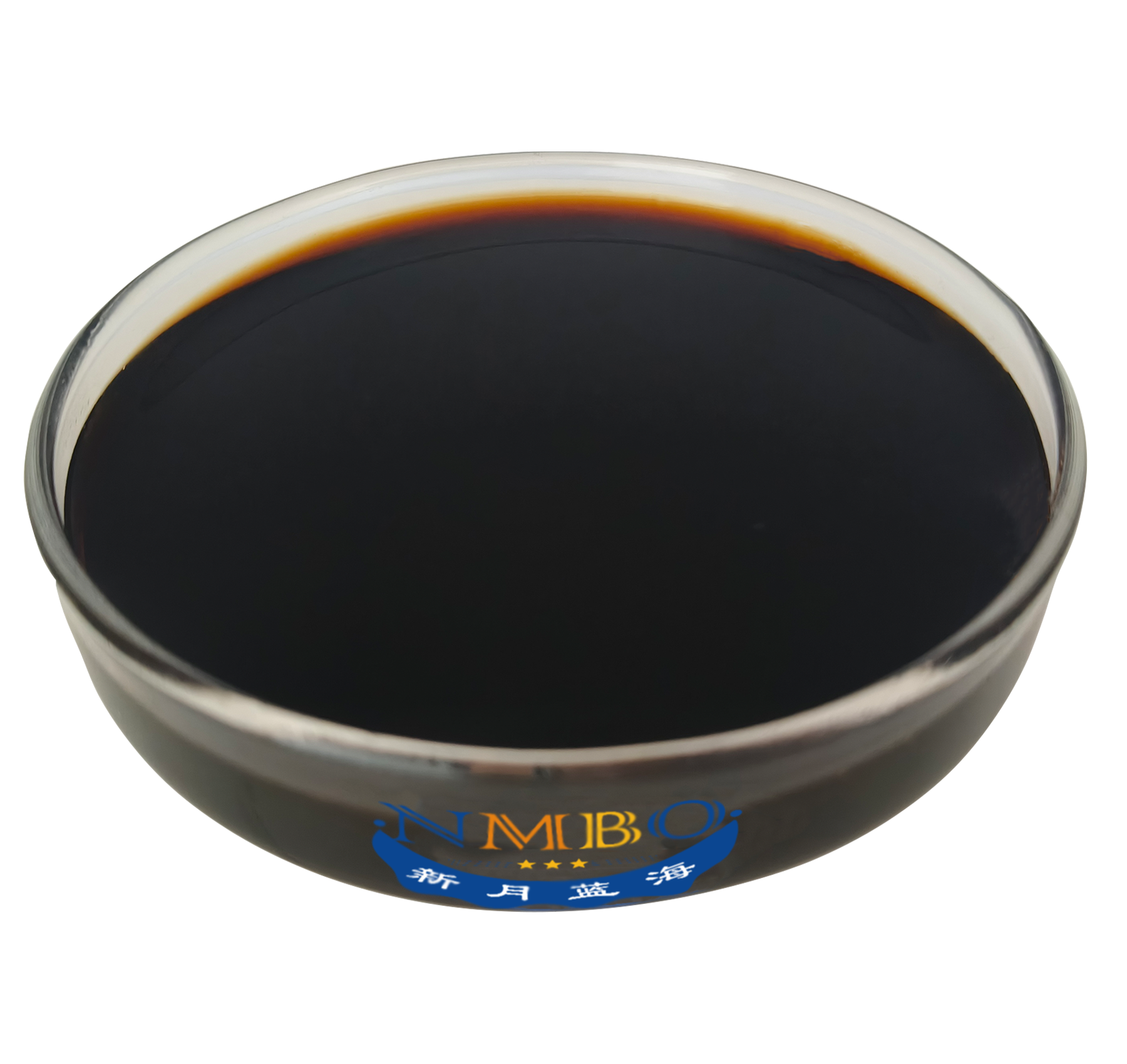
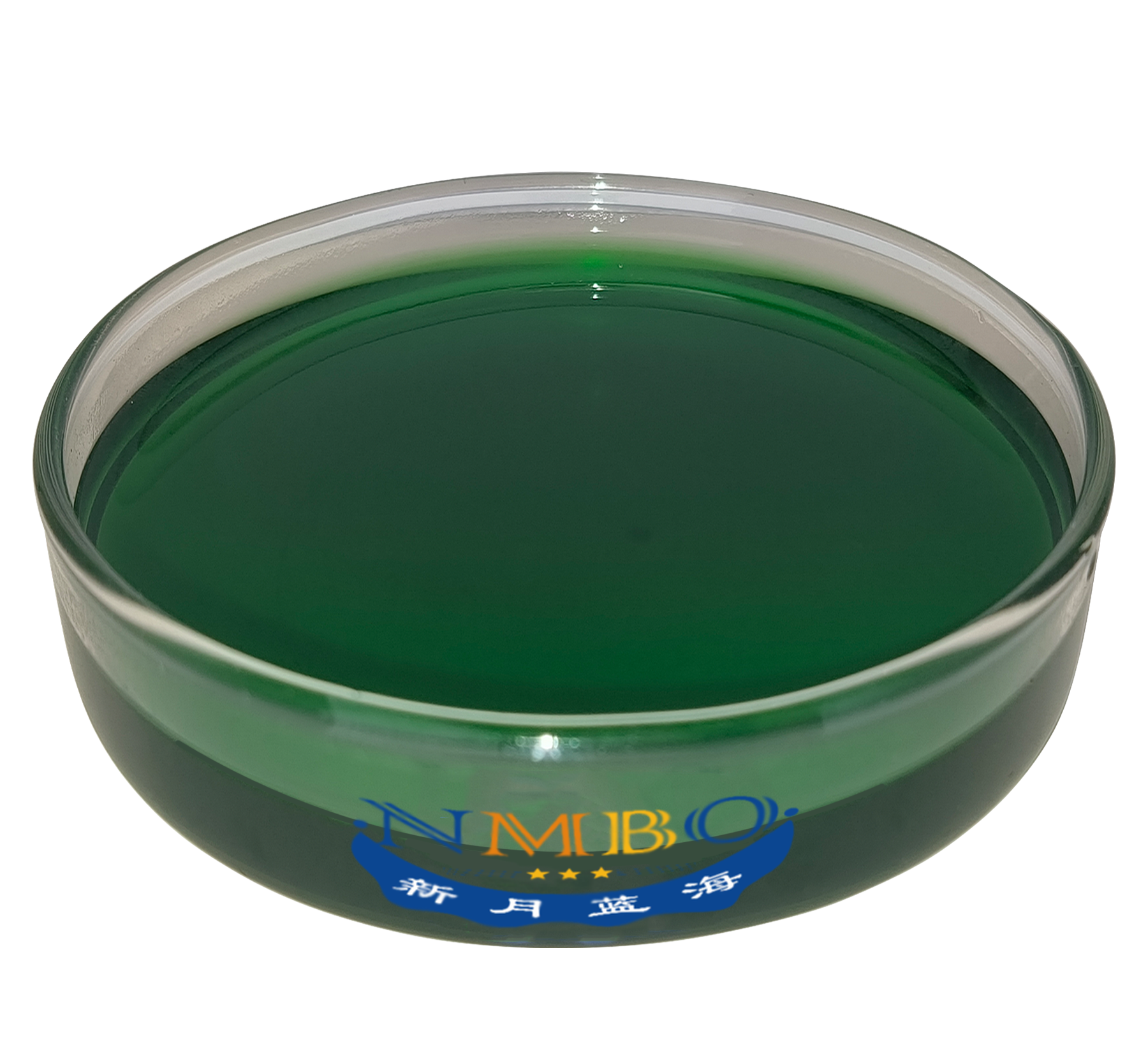
Seaweed Extract Liquid is made from imported wild ascophyllum nodosum. It is produced through physical crushing, biological enzymolysis, low temperature concentration and dry purification. Seaweed Extract Flake & Powder has characteristics of comprehensive nutrient, high contents, good water solubility, good compatibility, fast-acting and long-lasting, safe, efficient and so on. Seaweed Extract Flake & Powder passed international organic certifications of ECOCERT. And be applied in areas of large-scale modern agriculture, high efficiency facility agriculture, Ornamental Horticulture Plants and production of organic agricultural products.
PRODUCT FUNCTION
PRODUCT FUNCTION
👉Promoting root growth, alleviating successive cropping obstacles, increasing the fertilizer utilization and slowing plant senescence.
👉Controlling and balancing the growth of plant, preventing excessive growth of branches, decreasing pruning.
👉Improving the growth of leaves and the photosynthesis, which is good for nutrient accumulation, transport and storage.
👉Promoting flower bud differentiation, preventing bud, flower and fruit decreasing and deformity fruit, small fruit and rotten fruit.
👉Promoting to keep good shape, bright and colorful peel, high sugar content, and long-term storage.
👉Reducing little leaves, yellow leaves, arbuscular, fruit shrink, bitter pit, variola and other physiological diseases occurrence caused by nutrient deficiency.
👉Repellent effect of sucking insects, reduce spread of the virus caused by worms, phytoplasma and bacterial diseases.
👉Improving the ability of plants to fight against frost, cold, submersion and drought.
👉Adjusting soil PH, improve soil physical structure, keep moisture and fertility, be conducive to the growth of microorganisms.

PRODUCT FUNCTION
👉Promoting root growth, alleviating successive cropping obstacles, increasing the fertilizer utilization and slowing plant senescence.
👉Controlling and balancing the growth of plant, preventing excessive growth of branches, decreasing pruning.
👉Improving the growth of leaves and the photosynthesis, which is good for nutrient accumulation, transport and storage.
👉Promoting flower bud differentiation, preventing bud, flower and fruit decreasing and deformity fruit, small fruit and rotten fruit.
👉Promoting to keep good shape, bright and colorful peel, high sugar content, and long-term storage.
👉Reducing little leaves, yellow leaves, arbuscular, fruit shrink, bitter pit, variola and other physiological diseases occurrence caused by nutrient deficiency.
👉Repellent effect of sucking insects, reduce spread of the virus caused by worms, phytoplasma and bacterial diseases.
👉Improving the ability of plants to fight against frost, cold, submersion and drought.
👉Adjusting soil PH, improve soil physical structure, keep moisture and fertility, be conducive to the growth of microorganisms.

Recommended Applications (Latest Guide)
Recommended Applications
(Latest Guide)
Recommended Applications (Latest Guide)
Experience with application methods
A. Spraying, avoiding the full-bloom stage, diluted 1000-1500 times, 300-900g/ha, interval ≥10days
B. Irrigation (Sprinkler irrigation & Drip irrigation), the whole growth period, diluted 1000-1500 times, 3000-9000g/ha, interval ≥10days
C. Watering (Surface irrigation), the whole growth period, diluted 800-1200 times, 400-600g/ha, interval ≥25days
Experience with application methods
A. Spraying, avoiding the full-bloom stage, diluted 1000-1500 times, 300-900g/ha, interval ≥10days
B. Irrigation (Sprinkler irrigation & Drip irrigation), the whole growth period, diluted 1000-1500 times, 3000-9000g/ha, interval ≥10days
C. Watering (Surface irrigation), the whole growth period, diluted 800-1200 times, 400-600g/ha, interval ≥25days
Experience with application methods
A. Spraying, avoiding the full-bloom stage, diluted 1000-1500 times, 300-900g/ha, interval ≥10days
B. Irrigation (Sprinkler irrigation & Drip irrigation), the whole growth period, diluted 1000-1500 times, 3000-9000g/ha, interval ≥10days
C. Watering (Surface irrigation), the whole growth period, diluted 800-1200 times, 400-600g/ha, interval ≥25days
fruit trees
(apple, peach, pear, cherry, grape, jujube, orange, grapefruit, apricot, plum and so on)
fruit trees
(apple, peach, pear, cherry, grape, jujube, orange, grapefruit, apricot, plum and so on)
fruit trees
(apple, peach, pear, cherry, grape, jujube, orange, grapefruit, apricot, plum and so on)
Application period: Germination period, After flowering, Young fruit period, Fruit swelling period, After harvesting
Spraying: diluting with water at a 1:1000-1500 ratio, 300-900g/ha, Fertilization interval≥10 days
- Promoting germination and increase nutritions of bud, to fight against cold and resistance
- Protecting flower and fruit and improving fruit growing ratio
- Promoting fruit enlargement, reducing physiological drop.
- Increasing tree nutrition, improve resistance, frost resistance.
Application period: Germination period, After flowering, Young fruit period, Fruit swelling period, After harvesting
Spraying: diluting with water at a 1:1000-1500 ratio, 300-900g/ha, Fertilization interval≥10 days
- Promoting germination and increase nutritions of bud, to fight against cold and resistance
- Protecting flower and fruit and improving fruit growing ratio
- Promoting fruit enlargement, reducing physiological drop.
- Increasing tree nutrition, improve resistance, frost resistance.
Application period: Germination period, After flowering, Young fruit period, Fruit swelling period, After harvesting
Spraying: diluting with water at a 1:1000-1500 ratio, 300-900g/ha, Fertilization interval≥10 days
- Promoting germination and increase nutritions of bud, to fight against cold and resistance
- Protecting flower and fruit and improving fruit growing ratio
- Promoting fruit enlargement, reducing physiological drop.
- Increasing tree nutrition, improve resistance, frost resistance.
field crop
(wheat, corn, rice, cotton, peanut, bean and so on)
field crop
(wheat, corn, rice, cotton, peanut, bean and so on)
field crop
(wheat, corn, rice, cotton, peanut, bean and so on)
Application period: Seedling stage; Flowering phase; Exuberant growth period
Spraying: diluting with water as a 1:1000-1200 ratio, 300-900g/ha, Fertilization interval≥20 days
- Promoting rooting and seedlings vigorous, spring sown crops can resist the low-temperature damage of late spring cold.
- Improving photosynthesis, enhance the ability to fight against disease and lodging.
- Avoiding dead trees, increase the amount of fruits and production yield
Application period: Seedling stage; Flowering phase; Exuberant growth period
Spraying: diluting with water as a 1:1000-1200 ratio, 300-900g/ha, Fertilization interval≥20 days
- Promoting rooting and seedlings vigorous, spring sown crops can resist the low-temperature damage of late spring cold.
- Improving photosynthesis, enhance the ability to fight against disease and lodging.
- Avoiding dead trees, increase the amount of fruits and production yield
Application period: Seedling stage; Flowering phase; Exuberant growth period
Spraying: diluting with water as a 1:1000-1200 ratio, 300-900g/ha, Fertilization interval≥20 days
- Promoting rooting and seedlings vigorous, spring sown crops can resist the low-temperature damage of late spring cold.
- Improving photosynthesis, enhance the ability to fight against disease and lodging.
- Avoiding dead trees, increase the amount of fruits and production yield
melon crops and eggplant fruit crops
(Cucumber, tomato, pepper, eggplant, watermelon, strawberry and so on)
melon crops and eggplant fruit crops
(Cucumber, tomato, pepper, eggplant, watermelon, strawberry and so on)
melon crops and eggplant fruit crops
(Cucumber, tomato, pepper, eggplant, watermelon, strawberry and so on)
- Seedling stage: Spraying: diluting with water as 1:2000-3000 ratio, 300-900g/ha, Fertilization interval ≥ 20 days
- Spraying: diluting with water as 1:1500 ratio, 400-1200g/ha, Fertilization interval≥25 days
- Spraying: diluting with water as 1:2000-3000 ratio, 300-900g/ha, Fertilization interval≥20 days
- Promoting rooting and seedlings vigorous, improve photosynthesis, shorten the seedling.
- Promoting rooting, fight against disease, reduce the amount of dead seedling, shorten the seedling period.
- Promoting fruit enlargement, enhance the ability to fight against disease and resistance, improve the ability of continuous fruiting rate, prevent premature senility, prolonging the harvest period.
- Seedling stage: Spraying: diluting with water as 1:2000-3000 ratio, 300-900g/ha, Fertilization interval ≥ 20 days
- Spraying: diluting with water as 1:1500 ratio, 400-1200g/ha, Fertilization interval≥25 days
- Spraying: diluting with water as 1:2000-3000 ratio, 300-900g/ha, Fertilization interval≥20 days
- Promoting rooting and seedlings vigorous, improve photosynthesis, shorten the seedling.
- Promoting rooting, fight against disease, reduce the amount of dead seedling, shorten the seedling period.
- Promoting fruit enlargement, enhance the ability to fight against disease and resistance, improve the ability of continuous fruiting rate, prevent premature senility, prolonging the harvest period.
- Seedling stage: Spraying: diluting with water as 1:2000-3000 ratio, 300-900g/ha, Fertilization interval ≥ 20 days
- Spraying: diluting with water as 1:1500 ratio, 400-1200g/ha, Fertilization interval≥25 days
- Spraying: diluting with water as 1:2000-3000 ratio, 300-900g/ha, Fertilization interval≥20 days
- Promoting rooting and seedlings vigorous, improve photosynthesis, shorten the seedling.
- Promoting rooting, fight against disease, reduce the amount of dead seedling, shorten the seedling period.
- Promoting fruit enlargement, enhance the ability to fight against disease and resistance, improve the ability of continuous fruiting rate, prevent premature senility, prolonging the harvest period.
leaf vegetables crops
(Spinach, celery, Chinese cabbage, lettuce, Chinese chives and so on)
leaf vegetables crops
(Spinach, celery, Chinese cabbage, lettuce, Chinese chives and so on)
leaf vegetables crops
(Spinach, celery, Chinese cabbage, lettuce, Chinese chives and so on)
Application period: Seedling stage; Exuberant growth period
Spraying: Diluting with water at a 1:1000-1200 ratio, 300-900g/ha, Fertilization interval≥15 days
- Making the seedlings grow in order and vigorous, improve photosynthesis.
- Promoting rooting, enhance the ability to fight against disease and resistance.
Application period: Seedling stage; Exuberant growth period
Spraying: Diluting with water at a 1:1000-1200 ratio, 300-900g/ha, Fertilization interval≥15 days
- Making the seedlings grow in order and vigorous, improve photosynthesis.
- Promoting rooting, enhance the ability to fight against disease and resistance.
Application period: Seedling stage; Exuberant growth period
Spraying: Diluting with water at a 1:1000-1200 ratio, 300-900g/ha, Fertilization interval≥15 days
- Making the seedlings grow in order and vigorous, improve photosynthesis.
- Promoting rooting, enhance the ability to fight against disease and resistance.
root crops
(Onion, ginger, garlic, potato, carrot and so on)
root crops
(Onion, ginger, garlic, potato, carrot and so on)
root crops
(Onion, ginger, garlic, potato, carrot and so on)
Application period: Seedling stage; Rhizome swelling stage
Spraying: Diluting with water at a 1:700-1000 ratio, 600-1800g/ha, Fertilization interval≥15 days
- Making the seedlings vigorous, Promote rooting, improve photosynthesis
- Promoting expansion fruit, enhance the ability to fight against disease and resistance
Application period: Seedling stage; Rhizome swelling stage
Spraying: Diluting with water at a 1:700-1000 ratio, 600-1800g/ha, Fertilization interval≥15 days
- Making the seedlings vigorous, Promote rooting, improve photosynthesis
- Promoting expansion fruit, enhance the ability to fight against disease and resistance
Application period: Seedling stage; Rhizome swelling stage
Spraying: Diluting with water at a 1:700-1000 ratio, 600-1800g/ha, Fertilization interval≥15 days
- Making the seedlings vigorous, Promote rooting, improve photosynthesis
- Promoting expansion fruit, enhance the ability to fight against disease and resistance
Attentions of Foliar Fertilization
① Foliar spray: avoiding the sunning and raining, should be sprayed again after 6 hours during raining days.
② Using interval should be not less than 10 days
③ For foliar fertilizer, there will be a more obvious effect during a growth period of 3 times in general, you can see the effect 2-24 hours after spraying in general.
④ Dosage should be reduced when spray cucurbitaceae, vitaceae, malvaceae and other sensitive crops in the seedling stage. The spraying concentration should be 3000 times. It’s normal when the leaf is frizzled after spraying. This condition will get well after 2-3 days. Spraying water will be helpful to recover quickly.
⑤ In the procreation growth stage, spray with 0.2% monopotassium phosphate, boric fertilizer and calcium fertilizer.
Compound method
① Mixed one by one: one kind of potion is mixed balance alone, then add and mix another potion.
② Compounding order: first add water, then add foliar fertilizer, wettable powder, suspending agent, aqueous solution and missible oil in turn.
③ Seaweed extract belongs to alkaline matter. Complicated chemical reaction will happen when mixed with high concentration of acidic product. Structure and property will be changed, even phytotoxicity will be caused. Usually, avoid to mix with organic phosphorus, organic chloride and missable oil.
④ If mixed with un-chelated or un-complexed divalent metal ion (such as copper ion), flocculation precipitation reaction will happen between alginic acid and metal ion.
⑤ Because there are various chemical agents in the market, it suggests that small experiment should be done when the type of chemical agent is greater than 2, then use widely.
Attentions of Foliar Fertilization
① Foliar spray: avoiding the sunning and raining, should be sprayed again after 6 hours during raining days.
② Using interval should be not less than 10 days
③ For foliar fertilizer, there will be a more obvious effect during a growth period of 3 times in general, you can see the effect 2-24 hours after spraying in general.
④Dosage should be reduced when spray cucurbitaceae, vitaceae, malvaceae and other sensitive crops in the seedling stage. The spraying concentration should be 3000 times. It’s normal when the leaf is frizzled after spraying. This condition will get well after 2-3 days. Spraying water will be helpful to recover quickly.
⑤ In the procreation growth stage, spray with 0.2% monopotassium phosphate, boric fertilizer and calcium fertilizer.
Compound method
① Mixed one by one: one kind of potion is mixed balance alone, then add and mix another potion.
② Compounding order: first add water, then add foliar fertilizer, wettable powder, suspending agent, aqueous solution and missible oil in turn.
③ Seaweed extract belongs to alkaline matter. Complicated chemical reaction will happen when mixed with high concentration of acidic product. Structure and property will be changed, even phytotoxicity will be caused. Usually, avoid to mix with organic phosphorus, organic chloride and missable oil.
④ If mixed with un-chelated or un-complexed divalent metal ion (such as copper ion), flocculation precipitation reaction will happen between alginic acid and metal ion.
⑤ Because there are various chemical agents in the market, it suggests that small experiment should be done when the type of chemical agent is greater than 2, then use widely.
Attentions of Foliar Fertilization
① Foliar spray: avoiding the sunning and raining, should be sprayed again after 6 hours during raining days.
② Using interval should be not less than 10 days
③ For foliar fertilizer, there will be a more obvious effect during a growth period of 3 times in general, you can see the effect 2-24 hours after spraying in general.
④ Dosage should be reduced when spray cucurbitaceae, vitaceae, malvaceae and other sensitive crops in the seedling stage. The spraying concentration should be 3000 times. It’s normal when the leaf is frizzled after spraying. This condition will get well after 2-3 days. Spraying water will be helpful to recover quickly.
⑤ In the procreation growth stage, spray with 0.2% monopotassium phosphate, boric fertilizer and calcium fertilizer.
Compound method
① Mixed one by one: one kind of potion is mixed balance alone, then add and mix another potion.
② Compounding order: first add water, then add foliar fertilizer, wettable powder, suspending agent, aqueous solution and missible oil in turn.
③ Seaweed extract belongs to alkaline matter. Complicated chemical reaction will happen when mixed with high concentration of acidic product. Structure and property will be changed, even phytotoxicity will be caused. Usually, avoid to mix with organic phosphorus, organic chloride and missable oil.
④ If mixed with un-chelated or un-complexed divalent metal ion (such as copper ion), flocculation precipitation reaction will happen between alginic acid and metal ion.
⑤ Because there are various chemical agents in the market, it suggests that small experiment should be done when the type of chemical agent is greater than 2, then use widely.